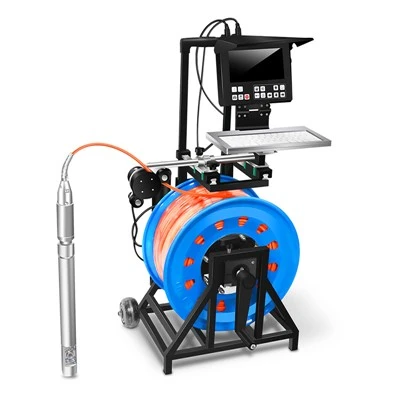
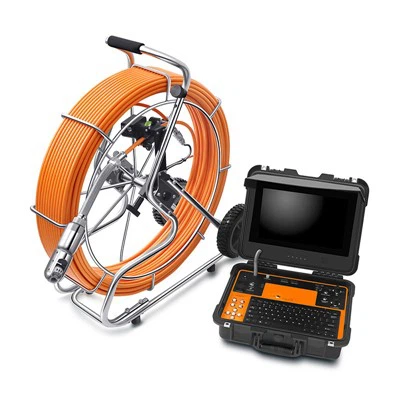
When it comes to oil well inspection, the role of an oil well inspection camera cannot be overstated. These cameras are essential tools for assessing the condition of oil wells, detecting potential issues, and ensuring the smooth operation of the well. One of the critical factors that significantly impacts the performance and reliability of an oil well inspection camera is its waterproof rating. In this blog, as a supplier of oil well inspection cameras, I will delve into why the waterproof rating of an oil well inspection camera matters.
Understanding Waterproof Ratings
Waterproof ratings are standardized measures that indicate the level of protection a device has against water ingress. The most commonly used system for waterproof ratings is the Ingress Protection (IP) code. The IP code consists of two digits. The first digit represents the level of protection against solid objects, while the second digit indicates the level of protection against water. For example, an IP67 rating means that the device is completely protected against dust (first digit 6) and can be immersed in water up to 1 meter for 30 minutes (second digit 7).
Importance of Waterproof Rating in Oil Well Inspection
1. Harsh Subsurface Environment
Oil wells are often located in harsh subsurface environments where water, mud, and other fluids are present. An oil well inspection camera with a high waterproof rating can withstand these challenging conditions. For instance, in a deep - water oil well, the camera may be exposed to high - pressure water. A camera with a low waterproof rating may fail due to water seeping into its internal components, leading to malfunction or permanent damage. On the other hand, a camera with a proper waterproof rating, such as IP68, can operate effectively under high - pressure water and ensure reliable inspection results.
2. Prevention of Corrosion
Water and moisture can cause corrosion of the camera's internal and external components. Corrosion can lead to reduced functionality, shortened lifespan, and inaccurate inspection data. A high - quality waterproof rating acts as a barrier against water, preventing corrosion. This is especially important for oil well inspection cameras that are frequently exposed to water and other corrosive substances in the wellbore. For example, if the camera's lens is corroded, it can affect the clarity of the images captured, making it difficult to accurately assess the well's condition.
3. Ensuring Continuous Operation
In oil well inspection, continuous operation is crucial. A camera with a reliable waterproof rating can operate continuously in wet environments without interruption. This is vital for long - term inspections, where any downtime can lead to delays in the assessment process and increased costs. For example, during a long - term monitoring of an oil well, a camera with a poor waterproof rating may stop working due to water damage, requiring frequent replacements or repairs. In contrast, a camera with a high waterproof rating can operate smoothly throughout the inspection period.
Different Waterproof Ratings and Their Applications
1. IP67
An IP67 - rated oil well inspection camera is suitable for many common oil well inspection scenarios. It can withstand short - term immersion in water and is protected against dust. This rating is often sufficient for wells with relatively low water pressure and less harsh conditions. For example, in some onshore oil wells where the water level is not too high and the environment is relatively stable, an IP67 - rated camera can provide reliable inspection results.
2. IP68
IP68 is a higher - level waterproof rating. Cameras with an IP68 rating can be immersed in water at greater depths and for longer periods. This makes them ideal for deep - water oil wells or wells with high - pressure water environments. For example, in offshore oil wells where the water pressure can be extremely high, an IP68 - rated camera is necessary to ensure proper operation and accurate inspection.
Our Product Offerings
As a supplier of oil well inspection cameras, we offer a range of products with different waterproof ratings to meet the diverse needs of our customers.
Our Downhole Video Inspection System is designed with a high - quality waterproof rating, ensuring reliable performance in various oil well environments. It is equipped with advanced imaging technology to provide clear and accurate inspection results.
The Underwater Borehole Inspection Camera is another product in our portfolio. It has a robust waterproof design, allowing it to operate effectively in wet boreholes. This camera is suitable for both onshore and offshore oil well inspections.
For those who need a portable solution, our 33mm Pan Tilt Portable AHD Underwater Borehole Inspection Camera 50Mtr is a great choice. It combines portability with a good waterproof rating, making it convenient for on - site inspections.
Conclusion
The waterproof rating of an oil well inspection camera is of utmost importance. It determines the camera's ability to operate in harsh subsurface environments, prevent corrosion, and ensure continuous operation. As a supplier, we understand the significance of providing high - quality cameras with appropriate waterproof ratings. If you are in need of an oil well inspection camera, we invite you to contact us for more information and to discuss your specific requirements. Our team of experts is ready to assist you in selecting the right camera for your oil well inspection needs.


References
- "Oil Well Inspection Technology: A Comprehensive Guide" by John Smith
- "Waterproofing and Protection of Industrial Cameras" by the International Institute of Camera Technology