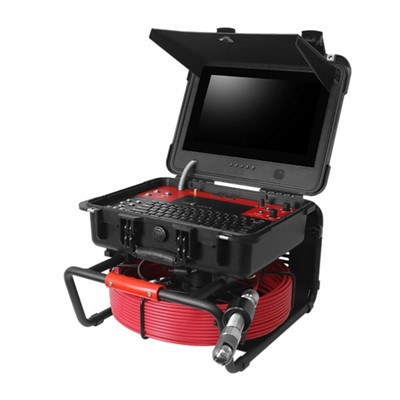
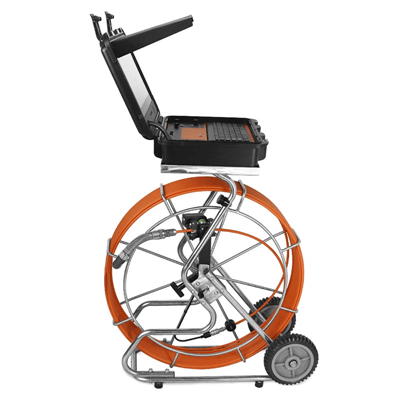
As a supplier of CCTV pipe crawler robots, one of the most frequently asked questions I encounter is, "How long does it take to charge a CCTV pipe crawler robot?" This question is crucial for both our clients and our team, as understanding the charging time is essential for efficient operation and planning of pipe inspection projects. In this blog, I'll delve into the factors that influence the charging time of these robots and provide a comprehensive overview to help you better manage your projects.
Understanding the Basics of CCTV Pipe Crawler Robots
Before we discuss the charging time, let's briefly understand what a CCTV pipe crawler robot is. These robots are sophisticated pieces of equipment designed to navigate through pipes, ducts, and other confined spaces. They are equipped with high - resolution cameras that transmit real - time video footage to operators, allowing them to inspect the interior of pipes for damage, blockages, or other issues.
The Pipe Crawler is a prime example of such a device. It is built with durable materials and advanced technology to ensure reliable performance in various pipe conditions. Similarly, the Storm Sewer Camera is specifically tailored for inspecting storm sewers, and the Pipe Robot offers a range of features for different pipe inspection needs.
Factors Affecting the Charging Time
Battery Capacity
The battery capacity of a CCTV pipe crawler robot is one of the most significant factors influencing the charging time. Robots with larger battery capacities generally take longer to charge. For instance, a robot with a 10,000mAh battery will take more time to charge compared to one with a 5,000mAh battery, assuming the same charging rate.
Our company offers a variety of robots with different battery capacities to meet the diverse needs of our clients. For short - term, small - scale inspections, a robot with a relatively small battery may be sufficient. However, for long - duration projects or large - diameter pipes that require extended operation, a robot with a larger battery capacity is recommended.
Charging Rate
The charging rate, measured in amperes (A), also plays a crucial role. A higher charging rate means the battery will charge faster. Most modern CCTV pipe crawler robots come with chargers that support different charging rates. For example, a charger with a 2A charging rate will charge the battery faster than a 1A charger.
It's important to note that using a charger with a higher charging rate than the battery is designed for can potentially damage the battery. Therefore, it's essential to use the charger recommended by the manufacturer to ensure both the safety and longevity of the battery.
Battery Age and Condition
As batteries age, their ability to hold a charge decreases, and they may take longer to charge. Additionally, if the battery has been damaged or over - discharged, it can also affect the charging time. Regular maintenance and proper storage of the battery can help extend its lifespan and maintain its charging efficiency.
We recommend that our clients follow the battery maintenance guidelines provided in the product manual. This includes avoiding over - charging, over - discharging, and storing the battery in a cool, dry place.
Typical Charging Times
Based on our experience and the specifications of our products, the charging time of a CCTV pipe crawler robot can vary widely. For a small - capacity battery (around 3,000 - 5,000mAh) with a standard 1A charger, the charging time can be approximately 3 - 5 hours.
For medium - capacity batteries (around 5,000 - 10,000mAh) using a 2A charger, the charging time may range from 2.5 - 5 hours. Larger - capacity batteries (over 10,000mAh) can take 5 - 10 hours or more to charge, depending on the charging rate and the battery's condition.
It's important to keep in mind that these are just estimates, and the actual charging time may vary depending on the factors mentioned above.
Strategies for Efficient Charging
Planning Ahead
If you have a large - scale pipe inspection project, it's crucial to plan ahead and ensure that you have enough charged batteries. You can calculate the approximate charging time based on the battery capacity and charging rate and schedule the charging process accordingly.
For example, if you have a project that requires continuous operation of the robot for 8 hours and the robot's battery lasts for 4 hours, you'll need at least two fully charged batteries. You can start charging the second battery while the first one is in use to minimize downtime.


Using Multiple Chargers
If time is of the essence, using multiple chargers can significantly reduce the overall charging time. For instance, if you have two robots with the same battery type, you can use two chargers simultaneously to charge the batteries at the same time.
However, it's important to ensure that your power source can handle the additional load. Overloading the power source can lead to safety hazards and may damage the chargers or the batteries.
Conclusion
In conclusion, the charging time of a CCTV pipe crawler robot depends on several factors, including battery capacity, charging rate, and battery age and condition. By understanding these factors and implementing efficient charging strategies, you can minimize downtime and ensure the smooth operation of your pipe inspection projects.
If you're interested in learning more about our CCTV pipe crawler robots or have any questions regarding charging times or other aspects of the products, we encourage you to contact us for a detailed discussion. Our team of experts is always ready to assist you in finding the right solution for your specific needs.
References
- Manufacturer's product manuals for CCTV pipe crawler robots
- Industry research on battery charging technology and its application in industrial equipment