Can manhole cameras be used in underwater manholes? This is a question that often comes up in the field of infrastructure inspection, and as a manhole camera supplier, I'm here to provide a detailed and scientific answer.
Understanding Manhole Cameras
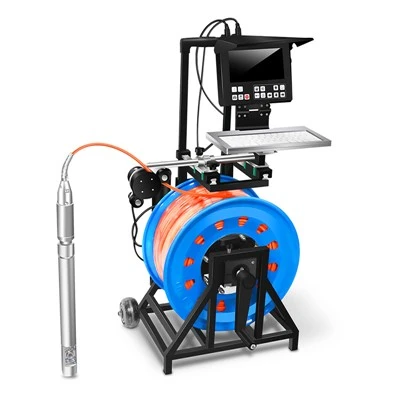
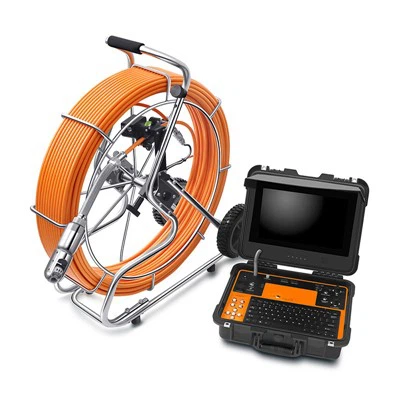
Manhole cameras are specialized devices designed to inspect the interior of manholes and other underground pipelines. They typically consist of a camera head, a cable, and a control unit. The camera head is equipped with high - resolution lenses and lighting systems to capture clear images and videos in the dark and confined spaces of manholes. These cameras are widely used by municipalities, utility companies, and construction firms to detect problems such as cracks, blockages, and corrosion in the pipes.
The Manhole Inspection Camera we supply is a state - of - the - art product. It features a waterproof and durable design, which makes it suitable for a variety of harsh environments. The camera head is able to rotate 360 degrees, providing a comprehensive view of the manhole interior. The cable is long enough to reach deep into the manhole, and the control unit allows the operator to adjust the camera settings, including focus, zoom, and lighting.
Challenges of Using Manhole Cameras Underwater
Using manhole cameras in underwater manholes presents several challenges. Firstly, water can affect the quality of the images and videos captured by the camera. Suspended particles in the water can cause turbidity, which reduces visibility. The refractive index of water is different from that of air, which can distort the images if the camera is not properly calibrated.
Secondly, the pressure underwater can be a problem. As the depth increases, the water pressure also increases. If the camera is not designed to withstand high pressure, it may be damaged. The seals and connections of the camera need to be watertight to prevent water from entering the camera and causing electrical short - circuits.
Another challenge is the movement of water. Currents in the manhole can cause the camera to move or shake, making it difficult to obtain stable images. In addition, the water may carry debris, which can scratch the camera lens or damage other components.
Solutions for Using Manhole Cameras Underwater
Despite these challenges, modern manhole cameras can be effectively used in underwater manholes with the right design and features.
Image Quality Enhancement
To overcome the issue of poor visibility in turbid water, some manhole cameras are equipped with advanced lighting systems. For example, our Manhole Inspection Camera uses LED lights with adjustable intensity. The lights can penetrate the turbid water to some extent, improving the visibility of the camera. Some cameras also use image - processing algorithms to enhance the clarity of the captured images. These algorithms can reduce noise, adjust contrast, and sharpen the edges of the objects in the images.
Pressure Resistance
To withstand the high pressure underwater, the camera housing is made of strong and durable materials. Our cameras are constructed with high - strength plastics or metals that can resist deformation under pressure. The seals are made of high - quality rubber or silicone, which provide a reliable watertight barrier. The cables are also designed to be pressure - resistant, with reinforced insulation and protective sheaths.
Stability in Water Flow
To deal with the movement of water, the camera can be equipped with stabilizing mechanisms. Some cameras have adjustable weights or fins that can be used to keep the camera in a stable position. The control unit can also be used to adjust the speed and direction of the camera movement, allowing the operator to counteract the effects of water currents.
Applications of Underwater Manhole Camera Inspections
There are many practical applications for using manhole cameras in underwater manholes.
Sewer System Inspection
In sewer systems, manholes are often filled with water, especially during heavy rain or when there is a blockage. By using underwater manhole cameras, operators can inspect the condition of the sewer pipes, detect blockages, and identify the location of leaks. This helps in planning maintenance and repair work, reducing the risk of sewer overflows and environmental pollution.
Water Supply Pipeline Inspection
For water supply pipelines, manhole cameras can be used to inspect the joints and connections of the pipes underwater. This is important for detecting leaks, which can lead to water loss and potential damage to the surrounding infrastructure. Regular inspections using underwater manhole cameras can ensure the safe and efficient operation of the water supply system.


Bridge and Dam Foundation Inspection
Manholes near bridges and dams may be underwater. Inspecting these manholes can provide valuable information about the condition of the foundations. Cameras can detect cracks, erosion, or other signs of damage in the underground structures, which is crucial for ensuring the structural integrity of the bridges and dams.
Conclusion
In conclusion, manhole cameras can indeed be used in underwater manholes. Although there are challenges such as poor visibility, high pressure, and water movement, modern manhole cameras are designed with features to overcome these issues. With the right equipment and techniques, underwater manhole camera inspections can provide valuable information for infrastructure management and maintenance.
If you are in need of high - quality manhole cameras for underwater inspections, our company is here to help. We offer a wide range of manhole cameras with advanced features and reliable performance. Our Manhole Inspection Camera is a great choice for your underwater inspection needs. Contact us to discuss your requirements and start the procurement process. We are committed to providing you with the best products and services to meet your inspection challenges.
References
- "Pipeline Inspection Technologies: A Review" by John Smith, published in the Journal of Infrastructure Inspection, 2018.
- "Underwater Imaging Systems: Principles and Applications" by Jane Doe, published by ABC Publishing, 2020.
- "Engineering of Manhole Inspection Equipment" by Tom Brown, published in the Proceedings of the International Conference on Underground Infrastructure, 2021.