


Mining operations rely heavily on the efficient and safe functioning of their equipment. Ensuring that mining equipment is in optimal condition is crucial for productivity, safety, and cost - effectiveness. One tool that has shown great potential in this area is the borescope camera. As a borescope camera supplier, I am often asked whether these cameras can be used for mining equipment inspections. In this blog post, I will explore the capabilities of borescope cameras and their suitability for mining equipment inspections.
Understanding Borescope Cameras
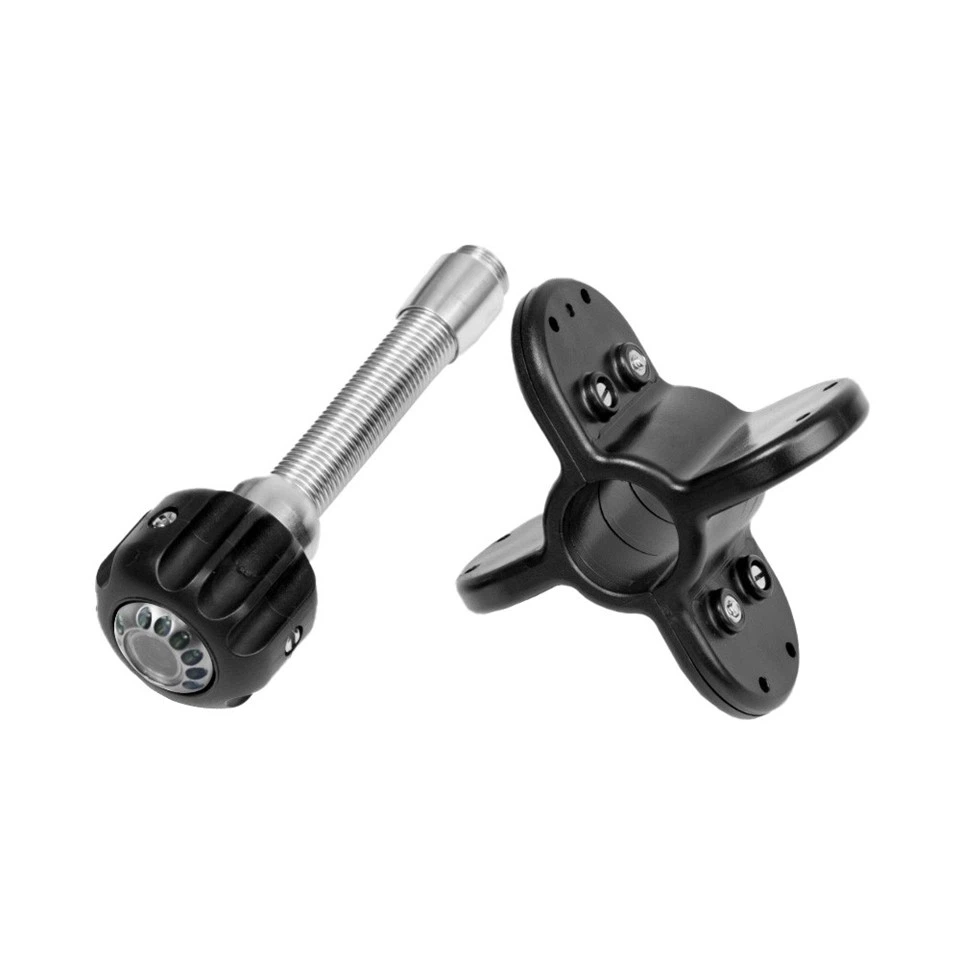
Borescope cameras are optical devices that allow users to visually inspect the internal components of objects without the need for disassembly. They consist of a long, flexible or rigid tube with a camera at one end and a display unit at the other. The camera captures images or videos of the internal area, which can then be viewed in real - time on the display.
There are different types of borescope cameras available, each with its own features and applications. For instance, the Industrial Endoscope Camera is designed for use in industrial settings. It is typically rugged and can withstand harsh environmental conditions. The Sewer Endoscope is specialized for inspecting sewer lines and other underground pipes. And the Portable Endoscope Camera is lightweight and easy to carry, making it suitable for on - site inspections.
Why Mining Equipment Inspections are Challenging
Mining equipment operates in some of the most demanding environments. Heavy machinery such as excavators, haul trucks, and crushers are exposed to extreme temperatures, dust, vibrations, and abrasive materials. These conditions can cause wear and tear on the equipment, leading to mechanical failures, reduced efficiency, and safety hazards.

Inspecting mining equipment is also challenging due to its complex design. Many components are located in hard - to - reach areas, such as inside engine cylinders, gearboxes, and hydraulic systems. Traditional inspection methods often require disassembly of the equipment, which is time - consuming, labor - intensive, and can cause further damage to the machinery.
How Borescope Cameras Can Help in Mining Equipment Inspections
Visual Inspection of Internal Components
One of the primary advantages of borescope cameras is their ability to provide a visual inspection of internal components. For example, in an engine, a borescope camera can be inserted through a spark plug hole or an access port to inspect the condition of the cylinders, pistons, and valves. This allows maintenance personnel to detect early signs of wear, such as scoring on the cylinder walls or valve damage, without having to disassemble the engine.
In gearboxes, borescope cameras can be used to inspect the gears, bearings, and lubrication channels. They can identify issues such as gear tooth wear, pitting, and the presence of debris in the lubricant. By detecting these problems early, maintenance can be scheduled in a timely manner, preventing costly breakdowns and extending the lifespan of the equipment.
Detection of Cracks and Leaks
Mining equipment is prone to developing cracks and leaks due to the high stress and harsh operating conditions. Borescope cameras can be used to detect these issues in hard - to - reach areas. For instance, in hydraulic systems, a borescope camera can be inserted into the hydraulic lines to check for leaks or cracks. In pipes and ducts, it can identify corrosion, blockages, and other damage that may lead to leaks.
Monitoring of Wear and Tear
Regular inspections using borescope cameras can help in monitoring the wear and tear of mining equipment over time. By comparing images and videos taken at different intervals, maintenance personnel can track the progression of wear on components and determine when they need to be replaced. This proactive approach to maintenance can improve the reliability and efficiency of the equipment.
Considerations When Using Borescope Cameras for Mining Equipment Inspections
Camera Specifications
When choosing a borescope camera for mining equipment inspections, it is important to consider the camera's specifications. The camera should have a high - resolution image sensor to provide clear and detailed images. It should also have a wide field of view to cover a larger area during the inspection. Additionally, the camera should be able to operate in low - light conditions, as many areas inside mining equipment are dark.
Durability
Mining environments are harsh, so the borescope camera needs to be durable. It should be able to withstand dust, moisture, vibrations, and impacts. A camera with a rugged housing and a protective sheath for the probe is recommended.
Flexibility and Reach
Since many components in mining equipment are located in hard - to - reach areas, the borescope camera should have a flexible probe that can be easily maneuvered. The length of the probe should also be sufficient to reach the areas that need to be inspected.
Real - World Applications of Borescope Cameras in Mining
In a large - scale mining operation, borescope cameras have been used to inspect the internal components of haul trucks. By regularly inspecting the engine cylinders and pistons, the maintenance team was able to detect early signs of wear and replace the components before they failed. This not only reduced the downtime of the trucks but also saved on repair costs.
In another case, a mining company used borescope cameras to inspect the hydraulic systems of their excavators. They were able to identify leaks in the hydraulic lines and repair them promptly, preventing hydraulic fluid loss and ensuring the smooth operation of the excavators.
Conclusion
Borescope cameras offer a valuable solution for mining equipment inspections. They provide a non - invasive way to visually inspect internal components, detect cracks and leaks, and monitor wear and tear. As a borescope camera supplier, I have seen firsthand the benefits that these cameras can bring to mining operations.
If you are involved in the mining industry and are looking for a reliable way to inspect your equipment, I encourage you to consider using borescope cameras. Whether you need an Industrial Endoscope Camera for general industrial use, a Sewer Endoscope for underground pipe inspections, or a Portable Endoscope Camera for on - site inspections, we have a wide range of products to meet your needs.
If you are interested in learning more about our borescope cameras or would like to discuss your specific requirements for mining equipment inspections, please feel free to contact us. We are dedicated to providing high - quality products and excellent customer service to help you keep your mining equipment in top condition.
References
- "Mining Equipment Maintenance Best Practices" by Mining Magazine
- "Non - Destructive Testing Techniques for Industrial Equipment" by Industrial Testing Journal
- "The Use of Borescope Cameras in Heavy Machinery Inspections" by Equipment Inspection Review


