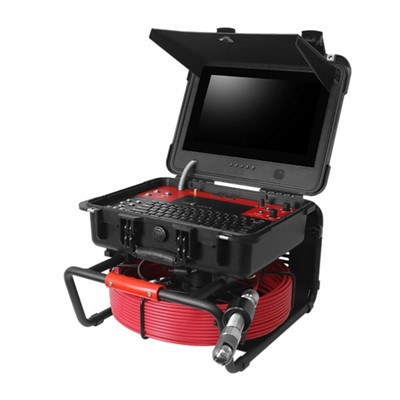
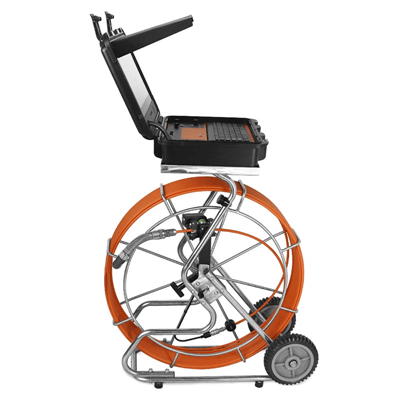
Pushrod cameras are essential tools for inspecting pipes, drains, and other hard-to-reach areas. As a supplier of pushrod cameras, I understand the importance of proper maintenance to ensure these devices perform at their best and have a long lifespan. In this blog, I'll share some valuable tips on how to maintain pushrod cameras effectively.
Regular Cleaning
One of the most basic yet crucial aspects of pushrod camera maintenance is regular cleaning. After each use, the camera head, pushrod, and other components can accumulate dirt, debris, and moisture, which can affect the camera's performance and durability.
Cleaning the Camera Head
The camera head is the most sensitive part of the pushrod camera. Use a soft, lint-free cloth dampened with a mild cleaning solution to gently wipe the lens and the outer surface of the camera head. Avoid using abrasive materials or harsh chemicals that could scratch the lens or damage the camera's housing. For stubborn dirt or grime, you can use a small brush with soft bristles to carefully remove it. Make sure to dry the camera head thoroughly before storing it to prevent corrosion.
Cleaning the Pushrod
The pushrod is often exposed to dirty environments, so it needs regular cleaning as well. Unwind the pushrod and inspect it for any visible dirt or debris. You can use a clean cloth or a sponge soaked in soapy water to wipe down the pushrod. Pay special attention to the joints and connections, as these areas can trap dirt. Rinse the pushrod with clean water and dry it completely to prevent rust.
Inspecting for Damage
Regular inspections are essential to catch any potential issues with the pushrod camera before they become major problems. Here's what you should look for during an inspection:
Camera Head Inspection
Check the camera head for any cracks, scratches, or loose parts. A damaged camera head can affect the image quality and may even lead to water leakage, which can damage the internal components. If you notice any damage, it's important to replace the camera head as soon as possible to avoid further problems.
Pushrod Inspection
Inspect the pushrod for any signs of wear and tear, such as fraying, kinks, or breaks. A damaged pushrod can cause problems with the camera's movement and may even lead to the camera getting stuck in the pipe. If you find any damage to the pushrod, you may need to repair or replace it depending on the severity of the damage.
Cable and Connector Inspection
Examine the cables and connectors for any signs of damage, such as cuts, abrasions, or loose connections. A damaged cable or connector can cause intermittent or no signal, which can affect the camera's performance. Make sure all the connections are secure and free of dirt and debris. If you find any damage to the cable or connector, you may need to repair or replace them.
Proper Storage
Proper storage is another important aspect of pushrod camera maintenance. When not in use, the pushrod camera should be stored in a clean, dry, and cool place to prevent damage from moisture, dust, and extreme temperatures.
Coiling the Pushrod
When coiling the pushrod for storage, make sure to do it carefully to avoid kinks and tangles. Start from the end of the pushrod and coil it in a smooth, even manner. You can use a pushrod reel or a storage container designed for pushrod cameras to keep the pushrod organized and protected.
Protecting the Camera Head
The camera head should be protected during storage to prevent damage. You can use a protective case or a soft cloth to cover the camera head. Make sure the camera head is dry before storing it to prevent mold and mildew growth.
Battery Maintenance
If your pushrod camera is battery-powered, proper battery maintenance is crucial to ensure the camera has enough power for use. Here are some tips for battery maintenance:


Charging the Battery
Follow the manufacturer's instructions for charging the battery. Overcharging or undercharging the battery can reduce its lifespan. Make sure to use the charger that came with the camera and avoid using incompatible chargers.
Storing the Battery
If you're not going to use the battery for an extended period, store it in a cool, dry place. It's recommended to store the battery at around 50% charge to prevent over-discharging or overcharging. Check the battery periodically and recharge it if necessary.
Firmware Updates
Many pushrod cameras come with firmware that can be updated to improve performance, add new features, and fix bugs. Make sure to check the manufacturer's website regularly for firmware updates and follow the instructions to install them. Firmware updates can help keep your pushrod camera up-to-date and running smoothly.
Training and Education
Proper training and education are essential for the effective use and maintenance of pushrod cameras. Make sure your staff or users are trained on how to operate the pushrod camera correctly and how to perform basic maintenance tasks. This can help prevent damage to the camera and ensure its optimal performance.
Professional Maintenance
In addition to regular cleaning and inspections, it's also a good idea to have your pushrod camera professionally maintained on a regular basis. A professional technician can perform a more thorough inspection and maintenance of the camera, including checking the internal components and calibrating the camera if necessary. Professional maintenance can help extend the lifespan of your pushrod camera and ensure its reliable performance.
Conclusion
Maintaining pushrod cameras is essential for ensuring their optimal performance and longevity. By following these tips on regular cleaning, inspecting for damage, proper storage, battery maintenance, firmware updates, training and education, and professional maintenance, you can keep your pushrod cameras in top condition.
If you're in the market for high-quality pushrod cameras, we offer a wide range of products, including the Push Rod Sewer Drain Pipe Camera, Pipe Inspection Camera System, and Drain Pipe Pan Tilt Camera. Our pushrod cameras are designed to provide reliable performance and are backed by our excellent customer service. If you have any questions or would like to discuss your specific needs, please don't hesitate to contact us for a purchase negotiation.
References
- Manufacturer's manuals and guidelines for pushrod cameras
- Industry best practices for camera maintenance