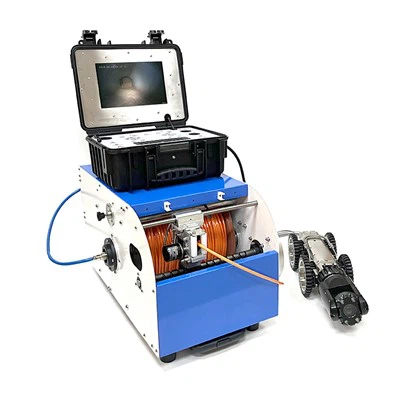
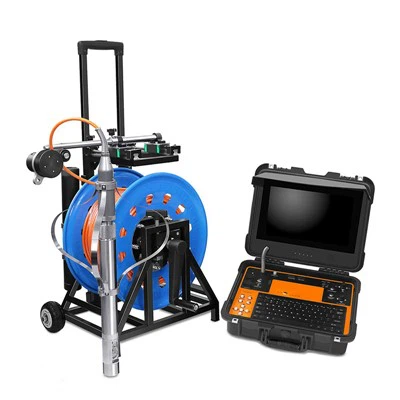
When it comes to sewer camera systems, the main device is just the tip of the iceberg. A comprehensive sewer camera setup typically includes a variety of accessories that enhance functionality, improve efficiency, and ensure accurate inspections. As a leading sewer camera supplier, we understand the importance of these accessories in providing a complete solution for our customers. In this blog post, we'll explore the commonly included accessories with sewer cameras and how they contribute to the overall inspection process.
Camera Heads
The camera head is the most crucial part of a sewer camera system. It is designed to withstand the harsh environment of sewer pipes and capture clear, high - resolution images and videos. There are different types of camera heads available, each with its own features and benefits.
- High - Definition (HD) Camera Heads: These camera heads offer superior image quality, allowing inspectors to clearly see the details inside the sewer pipes. For example, our 23mm HD Sewer Line Self Leveling Inspection Drain Camera with Locator 130ft is equipped with an HD camera head that provides sharp and detailed visuals. The self - leveling feature ensures that the camera remains upright, even in uneven pipes, providing a consistent view.
- Pan - Tilt - Zoom (PTZ) Camera Heads: PTZ camera heads offer greater flexibility in inspection. They can be remotely controlled to pan left or right, tilt up or down, and zoom in or out. This allows inspectors to focus on specific areas of interest within the pipe, such as cracks, blockages, or root intrusions.
Cables and Reels
The cable is the connection between the camera head and the control unit. It needs to be strong, flexible, and resistant to abrasion and chemicals. The length of the cable determines how far the camera can reach into the sewer pipes.
- Cable Length: Different inspection scenarios require different cable lengths. For smaller residential sewer systems, a shorter cable may be sufficient. However, for larger commercial or industrial sewer networks, longer cables are needed. Our 200 ft Sewer Camera comes with a 200 - foot cable, which can reach deep into the sewer system, providing a comprehensive inspection.
- Cable Reels: Cable reels are used to store and manage the cable. They make it easier to deploy and retrieve the camera, preventing the cable from getting tangled. Some cable reels are motorized, which can significantly reduce the time and effort required for cable handling.
Control Units
The control unit is the interface between the operator and the camera system. It allows the operator to control the camera functions, view the live video feed, and record the inspection.
- Touchscreen Displays: Many modern sewer camera control units are equipped with touchscreen displays. These displays are easy to use and provide a user - friendly interface for controlling the camera. Operators can adjust the camera settings, such as brightness, contrast, and focus, directly from the touchscreen.
- Recording and Storage: Control units often come with built - in recording and storage capabilities. This allows operators to save the inspection footage for later review and analysis. Some control units can also transfer the recorded data to external storage devices or computers for further processing.
Locators
Locators are essential accessories for sewer camera systems, especially when it comes to locating underground pipes and identifying the position of the camera within the pipe.
- Signal Transmitters: Signal transmitters are attached to the camera head and emit a signal that can be detected by a receiver on the surface. This allows operators to accurately locate the camera and determine the position of the pipe underground. Our 23mm HD Sewer Line Self Leveling Inspection Drain Camera with Locator 130ft includes a locator that provides precise location information.
- Receiver Units: The receiver unit is used to detect the signal from the transmitter. It displays the location of the camera on a screen, allowing operators to track the camera's movement within the pipe.
Lighting Systems
Good lighting is essential for obtaining clear images and videos inside the sewer pipes. Sewer camera systems are typically equipped with lighting systems to illuminate the inspection area.
- LED Lights: LED lights are commonly used in sewer camera systems because they are energy - efficient, long - lasting, and provide bright, even illumination. The number and intensity of the LED lights can vary depending on the camera model. Some cameras have adjustable lighting settings, allowing operators to adjust the brightness according to the inspection conditions.
Protective Equipment
To ensure the longevity and reliability of the sewer camera system, protective equipment is often included.


- Camera Protective Shields: These shields protect the camera head from damage caused by debris, rocks, and other objects in the sewer pipes. They are usually made of durable materials, such as plastic or metal, and can be easily replaced if damaged.
- Cable Protectors: Cable protectors are used to prevent the cable from being damaged by sharp edges or rough surfaces inside the pipes. They can be made of rubber or other flexible materials and are designed to fit over the cable.
Software and Analysis Tools
In addition to the hardware accessories, many sewer camera systems come with software and analysis tools.
- Inspection Software: This software allows operators to manage the inspection process, including controlling the camera, recording the video, and generating inspection reports. It may also include features such as image enhancement, measurement tools, and defect annotation.
- Analysis Tools: Some software packages include advanced analysis tools that can help operators identify and classify defects in the sewer pipes. For example, they can detect cracks, leaks, and blockages and provide detailed information about their location and severity.
As a sewer camera supplier, we are committed to providing high - quality sewer camera systems along with all the necessary accessories. Our products are designed to meet the diverse needs of our customers, whether they are conducting residential, commercial, or industrial sewer inspections. If you are interested in purchasing a sewer camera system or need more information about our products, please feel free to contact us for a procurement discussion. We look forward to working with you to find the best solution for your sewer inspection needs.
References
- Johnson, R. (2020). Sewer Inspection Technology: A Comprehensive Guide. Plumbing and Drainage Journal.
- Smith, A. (2019). Advances in Sewer Camera Accessories. Infrastructure Inspection Review.