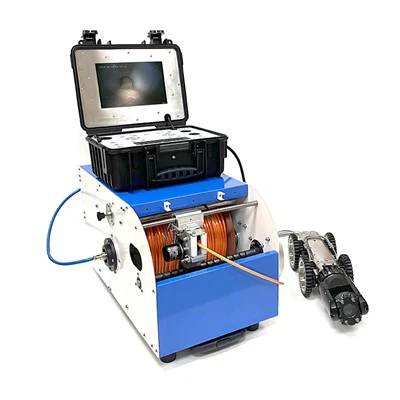
Hey there! As a supplier of Forward & Backward Viewing Inspection Cameras, I often get asked about the frame rate of these nifty devices. So, let's dig into what frame rate means and how it impacts the performance of our inspection cameras.
What's Frame Rate Anyway?
Frame rate, in simple terms, is the number of individual frames or images that a camera captures and displays per second (fps). It's like a flipbook. The more pages you flip through in a second, the smoother the motion looks. In the world of cameras, a higher frame rate results in smoother video playback, especially when there's movement involved.
For our Forward & Backward Viewing Inspection Cameras, frame rate plays a crucial role. These cameras are used in a variety of applications, from plumbing inspections to sewer line checks. Whether you're looking at a pipe from the front or the back, a good frame rate ensures that you get a clear and smooth view of what's going on inside.
Why Frame Rate Matters in Inspection Cameras
When you're using an inspection camera, you need to be able to see every detail clearly. A low frame rate can make the video look choppy, like it's skipping frames. This can be a big problem, especially when you're trying to spot small cracks, leaks, or other issues in pipes.
Let's say you're using a Plumbing Inspection Camera to check a plumbing system. If the frame rate is too low, you might miss a tiny leak that's causing water damage. On the other hand, a high frame rate gives you a more fluid and accurate view, allowing you to make better decisions about repairs or maintenance.
In sewer inspections, a good frame rate is even more important. Sewer lines can be dark and full of debris, and the camera needs to capture clear images quickly. Our Sewer Scope Camera with a high frame rate can help you navigate through the twists and turns of the sewer system, providing you with a detailed view of any blockages or damage.
Typical Frame Rates of Forward & Backward Viewing Inspection Cameras
The frame rate of our Forward & Backward Viewing Inspection Cameras can vary depending on the model and its intended use. Generally, you'll find frame rates ranging from 25fps to 60fps.
Cameras with a frame rate of 25fps are suitable for basic inspections where the movement is slow. They're often more affordable and can still provide a decent view of the inside of pipes. However, if you need to capture fast-moving objects or want a smoother video, you might want to consider a camera with a higher frame rate.
Our Mini Sewer Camera is a great example of a camera that offers a good balance between frame rate and performance. It typically has a frame rate of around 30fps, which is sufficient for most sewer and plumbing inspections. The 30fps frame rate ensures that you get a clear and stable view of the pipes, even when the camera is moving.
For more demanding applications, we also offer cameras with a frame rate of 60fps. These cameras are ideal for situations where you need to capture high-speed movement or want the highest level of clarity. Our Sewer Video Camera Inspection system, for instance, can provide a 60fps frame rate, giving you a super-smooth and detailed view of the sewer lines.
Factors Affecting Frame Rate
There are several factors that can affect the frame rate of an inspection camera. One of the main factors is the resolution of the camera. Higher resolution cameras need to process more data, which can sometimes slow down the frame rate. For example, a 4K camera will generally have a lower frame rate than a 1080p camera because it has to capture and process four times as many pixels.
Another factor is the lighting conditions. In low-light situations, the camera may need to increase the exposure time to capture a clear image. This can result in a lower frame rate because the camera takes longer to capture each frame. That's why our 20mm Super Mini HD 30Mtr Plumbing Pipe Video Inspection Camera is equipped with powerful LED lights to ensure good illumination and a consistent frame rate, even in dark pipes.
The storage and transfer speed of the camera can also impact the frame rate. If the camera's storage device or the connection to the display is slow, it may not be able to keep up with the high frame rate, resulting in dropped frames or a lower overall frame rate.
Choosing the Right Frame Rate for Your Needs
So, how do you choose the right frame rate for your inspection camera? Well, it depends on your specific needs and the type of inspections you'll be doing.
If you're mainly doing basic plumbing inspections where the movement is slow, a camera with a frame rate of 25fps or 30fps should be sufficient. It'll provide you with a clear view of the pipes without breaking the bank.


However, if you're working in more challenging environments, such as sewer systems with fast-moving water or debris, or if you need to capture detailed images of small objects, a camera with a higher frame rate of 60fps or more is recommended. It'll give you a smoother and more accurate view of what's going on inside the pipes.
Conclusion
In conclusion, the frame rate of a Forward & Backward Viewing Inspection Camera is an important factor to consider when choosing a camera for your inspection needs. A higher frame rate generally means smoother video playback and better image quality, especially when there's movement involved. However, it's also important to balance the frame rate with other factors, such as resolution, lighting, and storage speed.
If you're in the market for a high-quality inspection camera, we've got you covered. Our range of Forward & Backward Viewing Inspection Cameras offers a variety of frame rates to suit different needs and budgets. Whether you're a professional plumber, a sewer inspector, or someone looking to do some DIY pipe inspections, we have the perfect camera for you.
If you're interested in learning more about our products or have any questions about frame rates or other features, don't hesitate to reach out. We're here to help you make the best choice for your inspection needs. Let's connect and discuss how our cameras can enhance your inspection capabilities.
References
- General knowledge of inspection camera technology and frame rate concepts.