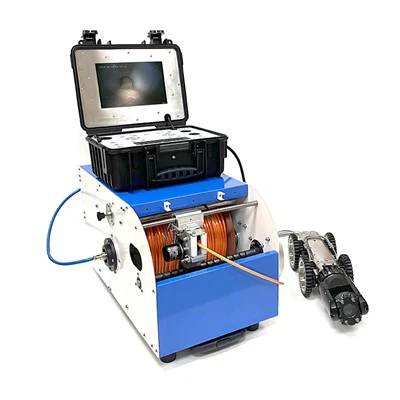
Hey there! As a supplier of Downhole Inspection Cameras, I often get asked about the response time of these nifty devices. It's a crucial factor that can significantly impact how useful the camera is in downhole inspections. So, let's dive right in and explore what response time means and how it affects our work in the field.
What is Response Time?
In simple terms, the response time of a downhole inspection camera refers to the time it takes for the camera to capture an image or video and then transmit that data to the surface unit. This includes the time for the camera's sensor to detect light and convert it into an electrical signal, the processing time to turn that signal into a usable image or video, and the time it takes for the data to travel through the cable or wireless connection up to the display.
A fast response time is super important. When you're down there in the borehole, you want to see what's going on in real-time. Imagine trying to inspect a well and the images are delayed. You might miss important details like cracks in the casing, blockages, or signs of corrosion. That’s why we prioritize developing cameras with quick response times.
Factors Affecting Response Time
Camera Technology
The type of sensor used in the camera plays a huge role. For instance, cameras with advanced CMOS sensors often have faster response times compared to those with older CCD sensors. CMOS sensors are more efficient at converting light into electrical signals and can capture images at a higher frame rate. That means you get smoother, more up-to-date visuals.
Transmission Medium
How the data gets from the camera to the surface is also key. Wired connections are usually more reliable and faster than wireless ones. With a high-quality cable, the data can travel quickly and without much interference. On the other hand, wireless connections can be affected by things like distance, signal strength, and interference from other electronic devices in the area.
Processing Power
The onboard processing unit of the camera needs to be able to handle the data quickly. If it's slow or overloaded, it can cause delays in converting the raw sensor data into a clear image or video. That's why we invest in powerful processors for our cameras to ensure they can keep up with the demands of downhole inspections.
Importance in Different Applications
Water Well Inspections
When inspecting a water well, you need to be able to spot any issues right away. A fast response time allows you to see if there are any breaches in the well casing that could lead to contamination. You can also identify sediment buildup or blockages that might reduce the well's efficiency. Our 50mm AHD 360° View Pan Tilt Water Well Borehole Camera Inspection 100m - 200m is designed with a quick response time to make these inspections as effective as possible.
Oil and Gas Exploration
In the oil and gas industry, time is money. A slow response time could mean missing vital information about the borehole's integrity or the presence of hydrocarbons. Our cameras have proven to be reliable in these applications, providing real-time data that helps engineers make informed decisions quickly.
Geotechnical Investigations
For geotechnical work, understanding the subsurface conditions is essential. A camera with a fast response time can capture detailed images of soil layers, fractures, and other geological features. This data is then used to analyze the stability of the area and plan construction projects accordingly.
Our Camera Offerings
We have a wide range of downhole inspection cameras, each tailored to different needs. The Borewell Underwater Camera is great for underwater inspections. It's designed to withstand the harsh conditions of boreholes and still provide clear, real-time images.
The Underwater Borehole Inspection Camera is another popular choice. With its high-resolution sensor and fast response time, it can capture detailed images even in low-light conditions.
If you need a camera for deeper wells, our Borewell Camera 500 Feet is up to the task. It can reach significant depths and still provide a quick response, so you don't miss a thing.
Our 45mm Waterproof 200m Dual-View Downhole Deep Well Camera with Manual Focus offers a unique dual-view option, allowing you to see both up and down the borehole at the same time. The manual focus feature also gives you more control over the image quality.
Measuring Response Time
When measuring the response time of our cameras, we use a combination of laboratory tests and field trials. In the lab, we can control the conditions and accurately measure the time it takes for the camera to capture and transmit an image. During field trials, we test the cameras in real-world scenarios to see how they perform under different conditions.


We've found that the response time can vary slightly depending on factors like the length of the cable, the depth of the well, and the environmental conditions. However, we always strive to keep the response time as short as possible to ensure the best user experience.
Improving Response Time
To further improve the response time of our cameras, we're constantly researching and developing new technologies. This includes upgrading the sensors, optimizing the processing algorithms, and using better quality cables and connectors. We also listen to our customers' feedback and use it to drive our product improvements.
Conclusion
So, there you have it – the response time of a downhole inspection camera is a critical aspect that can make or break an inspection. Whether you're in the water well, oil and gas, or geotechnical industry, having a camera with a fast response time ensures that you get accurate, real-time data.
If you're in the market for a downhole inspection camera and want to learn more about our products or discuss your specific needs, don't hesitate to reach out. We're here to help you find the perfect camera for your inspection projects.
References
- Cameras 101 - Understanding Sensor Technologies
- Handbook of Downhole Inspection Techniques
- Best Practices in Borehole Imaging and Data Transmission