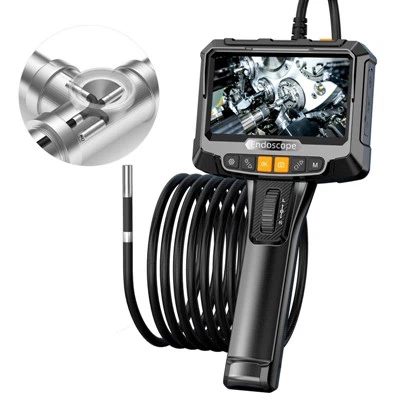
As a supplier of 100m Water Well Cameras, I often encounter inquiries from customers about the usability of our cameras in various well conditions. One question that frequently surfaces is whether our 100m Water Well Camera can be used in wells with a high concentration of dissolved solids. In this blog, I will delve into this topic, exploring the technical aspects, potential challenges, and solutions related to using our cameras in such environments.
Understanding Dissolved Solids in Wells
Dissolved solids refer to the inorganic salts and small amounts of organic matter present in water. These solids can include calcium, magnesium, sodium, potassium, chlorides, sulfates, and bicarbonates. In wells, the concentration of dissolved solids can vary significantly depending on factors such as the geological composition of the surrounding area, the depth of the well, and the presence of nearby industrial or agricultural activities.
Wells with a high concentration of dissolved solids are often referred to as "saline" or "brackish" wells. These wells can pose unique challenges for water well cameras due to the potential impact of the dissolved solids on the camera's performance and durability.
Technical Considerations for Using a 100m Water Well Camera in High Dissolved Solids Wells
1. Corrosion Resistance
One of the primary concerns when using a water well camera in a high dissolved solids environment is corrosion. Dissolved solids, particularly salts, can accelerate the corrosion process of metal components in the camera. Our 100m Water Well Camera is designed with corrosion-resistant materials to mitigate this risk. The camera housing is typically made of high-grade stainless steel or other corrosion-resistant alloys, which provide excellent protection against the corrosive effects of dissolved solids.
2. Image Quality
High concentrations of dissolved solids can also affect the image quality of the camera. The solids can scatter and absorb light, reducing the clarity and visibility of the images captured by the camera. To address this issue, our 100m Water Well Camera is equipped with advanced lighting systems and high-resolution cameras. The lighting system is designed to provide sufficient illumination even in turbid water conditions, while the high-resolution camera ensures clear and detailed images.
3. Sensor Performance
The sensors in the water well camera can also be affected by the presence of dissolved solids. The solids can accumulate on the sensor surface, causing interference and reducing the sensor's sensitivity. Our cameras are designed with self-cleaning mechanisms or anti-fouling coatings to prevent the accumulation of solids on the sensor surface. Additionally, the sensors are calibrated to compensate for the effects of dissolved solids on their performance.
Potential Challenges and Solutions
1. Buildup of Deposits
Over time, dissolved solids can accumulate on the camera lens and other components, causing a buildup of deposits. This buildup can reduce the camera's performance and image quality. To prevent this, regular maintenance and cleaning of the camera are essential. Our company provides detailed maintenance instructions and cleaning kits to help customers keep their cameras in optimal condition.
2. Electrical Conductivity
High concentrations of dissolved solids can increase the electrical conductivity of the water, which can pose a risk of electrical short circuits in the camera. Our 100m Water Well Camera is designed with electrical insulation and grounding systems to prevent electrical short circuits. Additionally, the camera is tested to ensure its electrical safety in high conductivity environments.
3. Temperature and Pressure
Wells with a high concentration of dissolved solids are often located in areas with extreme temperature and pressure conditions. Our cameras are designed to withstand a wide range of temperatures and pressures, ensuring reliable performance in these challenging environments.
Real-World Applications and Case Studies
To illustrate the effectiveness of our 100m Water Well Camera in high dissolved solids wells, let's look at some real-world applications and case studies.
In a recent project in a coastal area, a customer needed to inspect a well with a high concentration of dissolved solids. The well was used for agricultural irrigation, and the customer suspected that there were issues with the well casing and the water intake. Our 100m Water Well Camera was deployed in the well, and the high-resolution images captured by the camera revealed several cracks in the well casing and a buildup of sediment around the water intake. Based on the inspection results, the customer was able to make informed decisions about the repair and maintenance of the well.
In another case, a mining company needed to inspect a deep well with a high concentration of dissolved solids. The well was used for water supply to the mine, and the company wanted to ensure the integrity of the well and the quality of the water. Our camera was able to provide clear and detailed images of the well walls and the water intake, allowing the company to detect any potential issues and take appropriate measures.
Conclusion
In conclusion, our 100m Water Well Camera can be used in wells with a high concentration of dissolved solids. Our cameras are designed with advanced features and materials to address the technical challenges and potential risks associated with high dissolved solids environments. With proper maintenance and care, our cameras can provide reliable and high-quality performance in these challenging conditions.
If you are interested in purchasing our 100m Water Well Camera or have any questions about its suitability for your specific well conditions, please feel free to contact us. We will be happy to provide you with more information and assist you in making the right decision.


For more information about our other water well camera products, please visit the following links:
References
- "Water Quality and Treatment: A Handbook of Community Water Supplies." American Water Works Association.
- "Corrosion Resistance of Metals in Saline Environments." Corrosion Science Journal.
- "Image Quality Enhancement in Turbid Water Conditions." Journal of Optical Engineering.