


Hey there! As a supplier of sewer camera systems, I often get asked if these nifty gadgets require special training to operate. Well, let's dive right into it and find out.
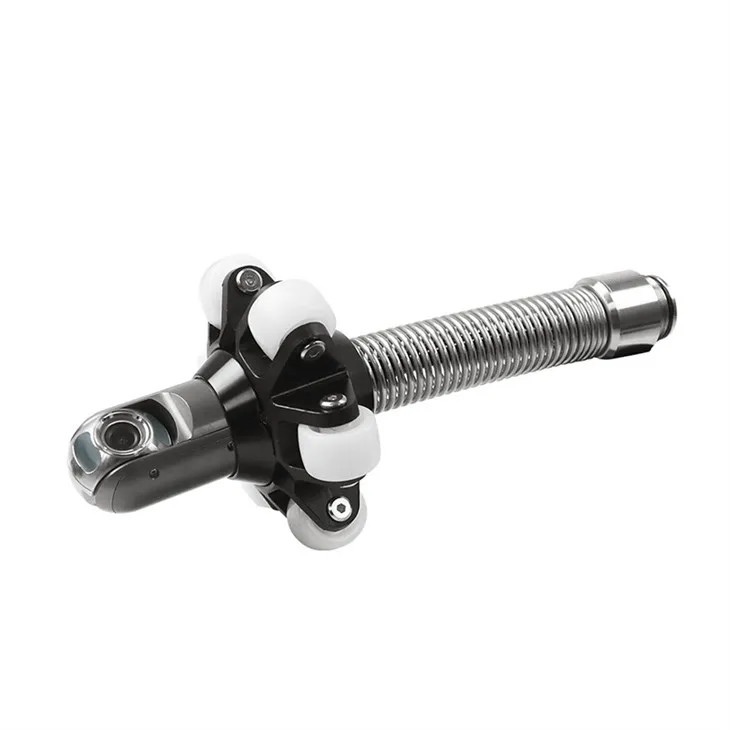
First off, what are sewer camera systems? These are high - tech tools used for inspecting the insides of sewer pipes, drains, and other plumbing systems. They come in various shapes and sizes, from small, handheld Plumbing Inspection Camera units to more complex, truck - mounted systems.
Now, to answer the big question: do they need special training? The short answer is, it depends. For basic operations, you might not need a whole lot of training. Many modern sewer camera systems are designed to be user - friendly. They have simple controls, like a joystick for maneuvering the camera, and a screen that clearly shows what's going on inside the pipes. If you're just using it to take a quick look at a small drain or a visible section of pipe, you can probably figure it out on your own with a bit of trial and error.
For example, if you're a homeowner who wants to check for a clog in your kitchen sink drain, a basic Sewer Camera Video Inspection setup can be pretty straightforward. You just need to insert the camera into the drain, turn it on, and watch the screen. The camera will show you if there's any blockage, like a ball of hair or a build - up of grease. You don't need to be a plumbing expert to understand what you're seeing.
However, when it comes to more complex tasks, special training becomes crucial. Professional plumbers and sewer inspectors who use these systems on a regular basis need in - depth knowledge. They need to know how to properly handle the camera in different pipe conditions. For instance, large - diameter sewer pipes may require a different approach than small, residential ones. The camera needs to be maneuvered carefully to avoid getting stuck or damaged.
In addition, interpreting the images on the screen isn't always as easy as it seems. A trained operator can identify issues like pipe corrosion, root intrusion, and misaligned joints. These problems might not be obvious to an untrained eye. For example, a small crack in the pipe might look like just a shadow to someone without training, but to a professional, it could be a sign of a much bigger problem that needs immediate attention.
Special training also covers safety procedures. Working with sewer camera systems often means being around potentially hazardous materials. Sewers can contain harmful bacteria, chemicals, and gases. Trained operators know how to protect themselves with the right safety gear, like gloves, masks, and protective clothing. They also understand how to properly clean and disinfect the equipment after use to prevent the spread of contaminants.
Another aspect where training is essential is in using the advanced features of the camera systems. Many modern sewer cameras come with features like zoom, pan, and tilt. These features can provide a more detailed view of the pipes, but they need to be used correctly. A trained operator can make the most of these features to get a comprehensive inspection of the sewer system.
If you're thinking about getting into the business of sewer inspections or if you're a professional plumber looking to upgrade your skills, there are plenty of training options available. There are online courses, workshops, and even certification programs. These courses cover everything from the basics of operating the camera to advanced troubleshooting techniques.
Let's talk about the benefits of having trained operators. For one, it improves the accuracy of the inspections. A trained operator is more likely to spot problems early, which can save a lot of time and money in the long run. Instead of having to do multiple inspections or guess at the source of a problem, a trained professional can provide a clear diagnosis right away.
It also enhances the reputation of your business. If you're a plumbing company or a sewer inspection service, having trained operators shows that you're serious about providing high - quality service. Customers are more likely to trust a company that has certified professionals on staff.
Now, as a supplier of sewer camera systems, I understand that some people might be hesitant to invest in training. It can seem like an extra expense, but in the long run, it's definitely worth it. The cost of training is far less than the potential losses from inaccurate inspections or equipment damage.
If you're in the market for a sewer camera system, I'd highly recommend considering getting training as well. We offer a range of Sewer Video Camera Inspection systems that are suitable for both beginners and professionals. Whether you're just starting out or you're looking to upgrade your existing equipment, we've got you covered.
If you have any questions about our sewer camera systems or if you're interested in learning more about training options, don't hesitate to get in touch. We're here to help you make the most of these amazing tools. Whether you're a homeowner looking to do a simple inspection or a professional plumber aiming for top - notch service, we can provide the right solutions for you.
In conclusion, while basic sewer camera system operations can be learned by anyone, special training is highly recommended, especially for professional use. It ensures accurate inspections, safety, and the ability to use the advanced features of the systems. So, if you're serious about using sewer camera systems effectively, consider investing in training.
References

- Industry standards and best practices for sewer camera inspections
- Manufacturer's manuals for sewer camera systems


