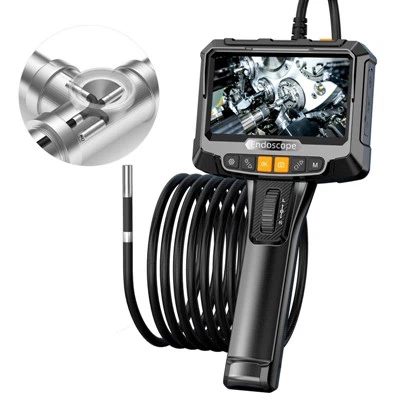
Hey there! As a spare parts supplier, I often get asked by customers, "How often should I replace certain spare parts?" Well, the answer isn't one-size-fits-all, as it depends on a bunch of factors. Let's dive into some common spare parts and discuss their replacement intervals.
1. Camera Heads and Related Skids
Let's start with camera heads, like the 23mm Camera Head. These are used in various industrial and security applications. The lifespan of a camera head can vary widely.
If the camera is used in a harsh environment, say a factory with a lot of dust, vibrations, and extreme temperatures, it'll likely need replacement sooner. In such conditions, I'd recommend checking it every 6 - 12 months. Look for signs like blurry images, color distortion, or if it stops working altogether.
On the other hand, if the camera is installed in a relatively clean and stable environment, like an office lobby, it could last 2 - 3 years without major issues. But still, it's a good idea to do an annual inspection.
Now, the 23mm Camera Head Skid and 50mm PT Camera Head Skid are components that support and move the camera heads. These skids are subject to mechanical wear and tear.
For skids in high - usage scenarios, such as in a surveillance system that's constantly panning and tilting, they might need replacement every 1 - 2 years. The moving parts can wear out, causing the camera to move unevenly or make strange noises.
In low - usage situations, like a camera that's mostly stationary but has the option to move occasionally, the skids could last 3 - 5 years. However, keep an eye on them during regular maintenance checks.
2. Filters
Filters are another important type of spare part. They're used in a wide range of equipment, from air conditioning units to water purification systems.
Air filters in HVAC systems need regular replacement. In a residential setting, if you have a standard filter, it should be replaced every 1 - 3 months. This helps maintain good air quality and keeps the system running efficiently.
In commercial buildings with higher foot traffic, the filters might need to be changed every 1 - 2 months. Dirty filters can reduce the airflow, making the HVAC system work harder and increasing energy consumption.
Water filters, depending on the type and the quality of the water they're treating, also have different replacement schedules. For simple sediment filters, they might need to be replaced every 3 - 6 months. More advanced carbon or reverse osmosis filters can last 6 - 12 months.
3. Belts and Chains
Belts and chains are commonly used in machinery to transfer power. In automotive engines, timing belts are crucial for the proper operation of the engine. Most manufacturers recommend replacing timing belts every 60,000 - 100,000 miles. If a timing belt breaks, it can cause serious engine damage.
In industrial machinery, the replacement interval for belts and chains depends on the load, speed, and operating conditions. For light - duty applications, they might last 1 - 2 years. But in heavy - duty industrial settings, they could need replacement every 6 - 12 months.
4. Batteries
Batteries are used in a variety of devices, from small electronic gadgets to large backup power systems.
Lithium - ion batteries in smartphones and laptops typically start to degrade after 2 - 3 years of normal use. You might notice that the battery doesn't hold a charge as long as it used to.
In backup power systems, such as uninterruptible power supplies (UPS), the batteries should be replaced every 3 - 5 years. This ensures that the UPS can provide reliable power during an outage.
5. Bearings
Bearings are used in rotating equipment to reduce friction. In electric motors, the bearings can wear out over time. For small motors in household appliances, they might last 5 - 10 years.
In industrial motors that operate continuously, the bearings could need replacement every 1 - 3 years. Look for signs like excessive noise, vibration, or overheating, which could indicate bearing problems.


Factors Affecting Replacement Intervals
As I mentioned earlier, several factors can affect how often you should replace spare parts.
- Usage Frequency: The more a part is used, the faster it'll wear out. For example, a machine that runs 24/7 will need more frequent part replacements than one that's used only a few hours a week.
- Operating Conditions: Harsh environments with high temperatures, humidity, dust, or chemicals can significantly reduce the lifespan of spare parts.
- Quality of the Part: Higher - quality parts generally last longer. When choosing spare parts, it's worth investing in good - quality products, even if they cost a bit more upfront.
Importance of Regular Maintenance
Regular maintenance is key to determining the right time to replace spare parts. By conducting routine inspections, you can catch problems early and avoid costly breakdowns.
During maintenance checks, look for signs of wear, damage, or malfunction. Keep records of the maintenance history, including when parts were last replaced and any issues that were detected.
How We Can Help
As a spare parts supplier, I've got a wide range of high - quality spare parts to meet your needs. Whether you're looking for camera heads, filters, belts, batteries, or bearings, we've got you covered.
If you're not sure how often to replace a particular part or which part is right for your equipment, don't hesitate to reach out. We can provide expert advice based on your specific situation.
We understand that keeping your equipment running smoothly is crucial for your business or daily life. That's why we're committed to providing top - notch products and excellent customer service.
So, if you're in the market for spare parts or need some guidance on replacement intervals, contact us. We're here to help you make the best decisions for your equipment.
References
- "Maintenance and Replacement Guide for Industrial Equipment", Industry Standard Publications
- "Automotive Maintenance Handbook", AutoTech Press
- "HVAC System Best Practices", Building Efficiency Institute
That's all for today! I hope this blog has given you a better understanding of how often to replace certain spare parts. If you have any questions or need further information, feel free to drop a comment or get in touch.